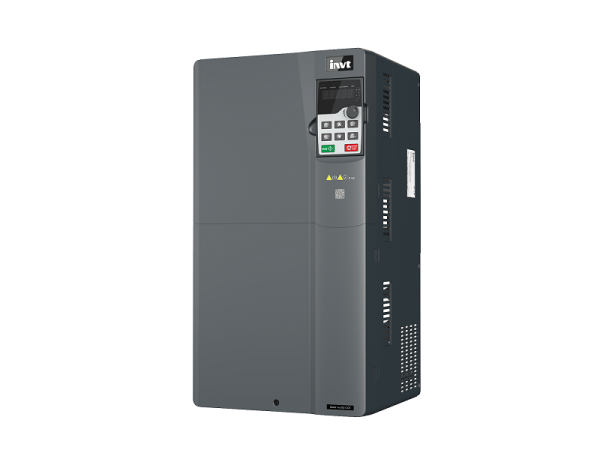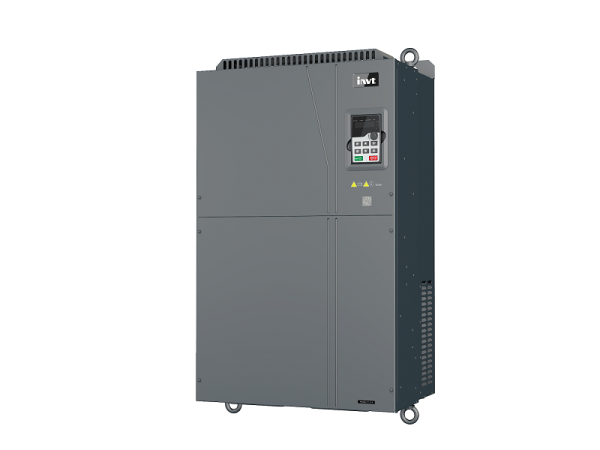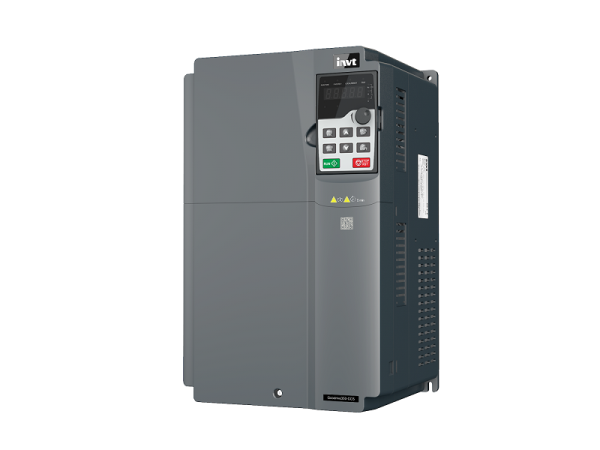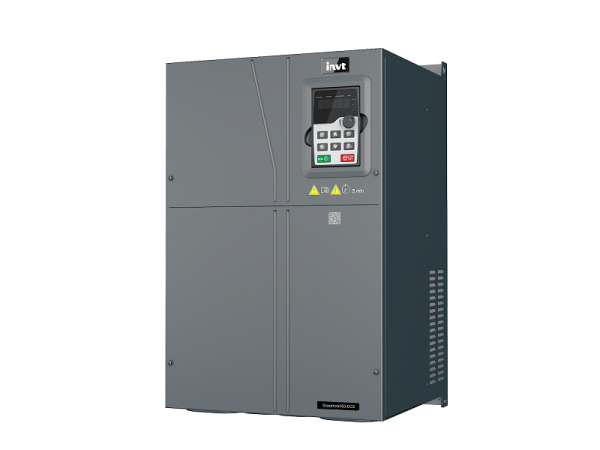
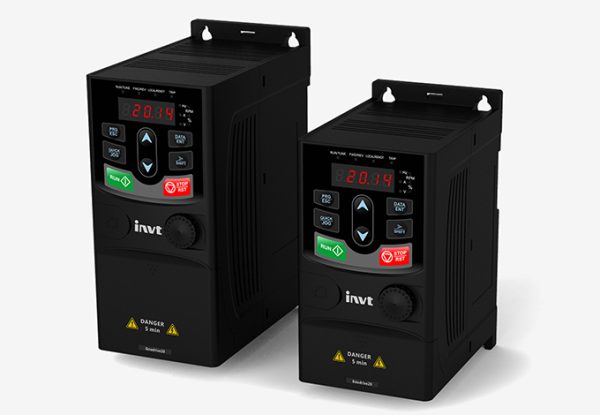

 Dual mode self-learning, INVT GD20 vector frequency converter makes motor debugging simpler and more efficient
Motor parameter debugging is the core link in the application of frequency converters, which directly determines the control accuracy and operating effect of the frequency converter. The INVT GD20 vector frequency converter is equipped with a self-learning function for rotating and stationary dual-mode motor parameters, which can accurately complete motor parameter calibration, greatly reducing the difficulty of on-site debugging and making motor debugging simpler and more efficient.
The rotation self-learning mode of INVT GD20 vector frequency converter requires the motor to disconnect from the load to complete precise calibration of all parameters. It can comprehensively identify core parameters such as stator resistance, rotor resistance, inductance, etc. of the motor, providing accurate data support for vector control, ultimately achieving higher control accuracy and faster dynamic response speed, perfectly adapting to applications such as machine tools and cable equipment that require high control accuracy.
The static self-learning mode of INVT GD20 vector frequency converter can perfectly solve the pain point of on-site working conditions where the motor has been installed in place and cannot be disconnected from the load. In this mode, self-learning of core parameters can be completed without the need for motor rotation, completely avoiding the embarrassment of being unable to perform rotation self-learning after equipment installation. While ensuring basic control performance, it greatly shortens on-site debugging time, especially suitable for debugging scenarios of large fans, water pumps, air compressors and other equipment that cannot be easily disconnected from the load. With its dual-mode self-learning design, the GD20 vector frequency converter can fully adapt to the debugging needs of different sites, allowing each motor to achieve optimal operating performance.