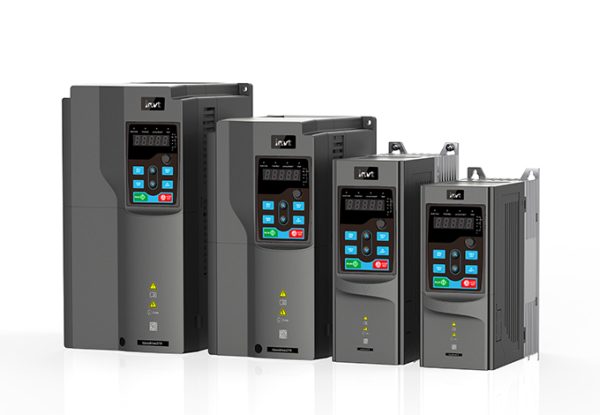
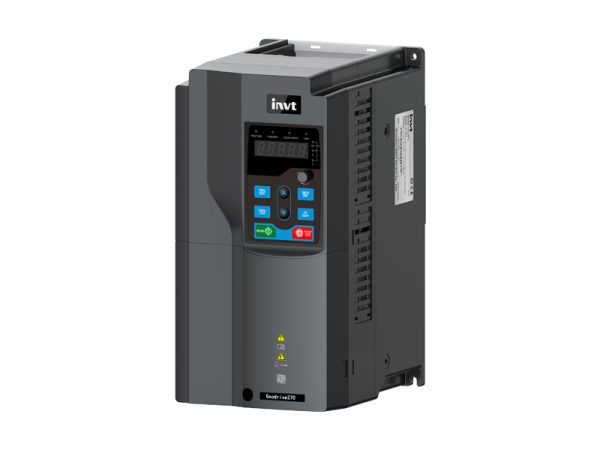
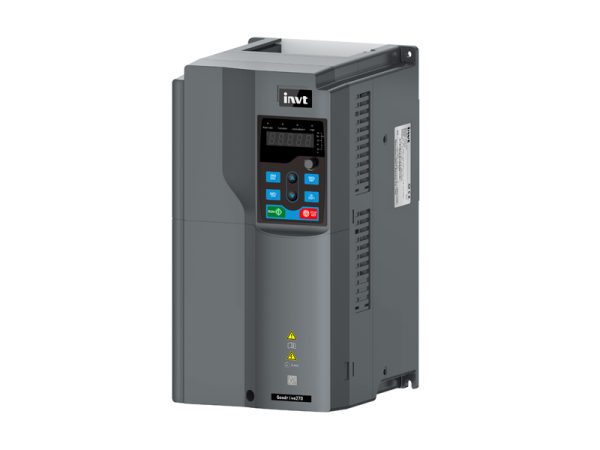
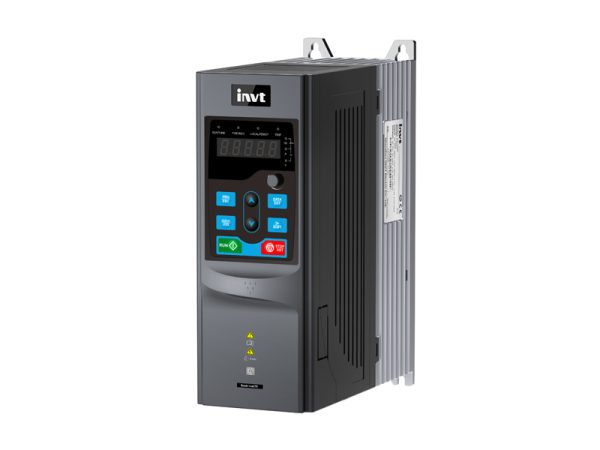

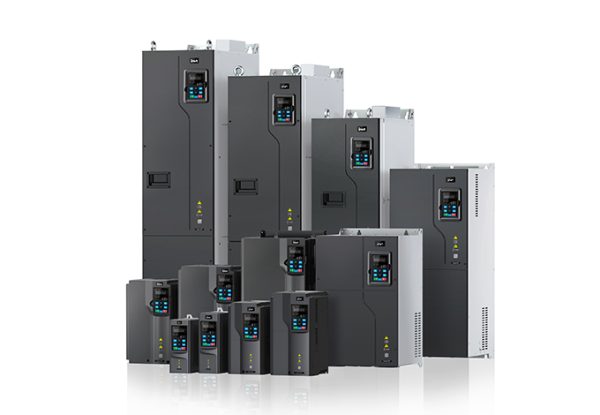
Application of INVT GD270 in the fan system of metallurgical industry
1. Reliable solution for high-power fan drive
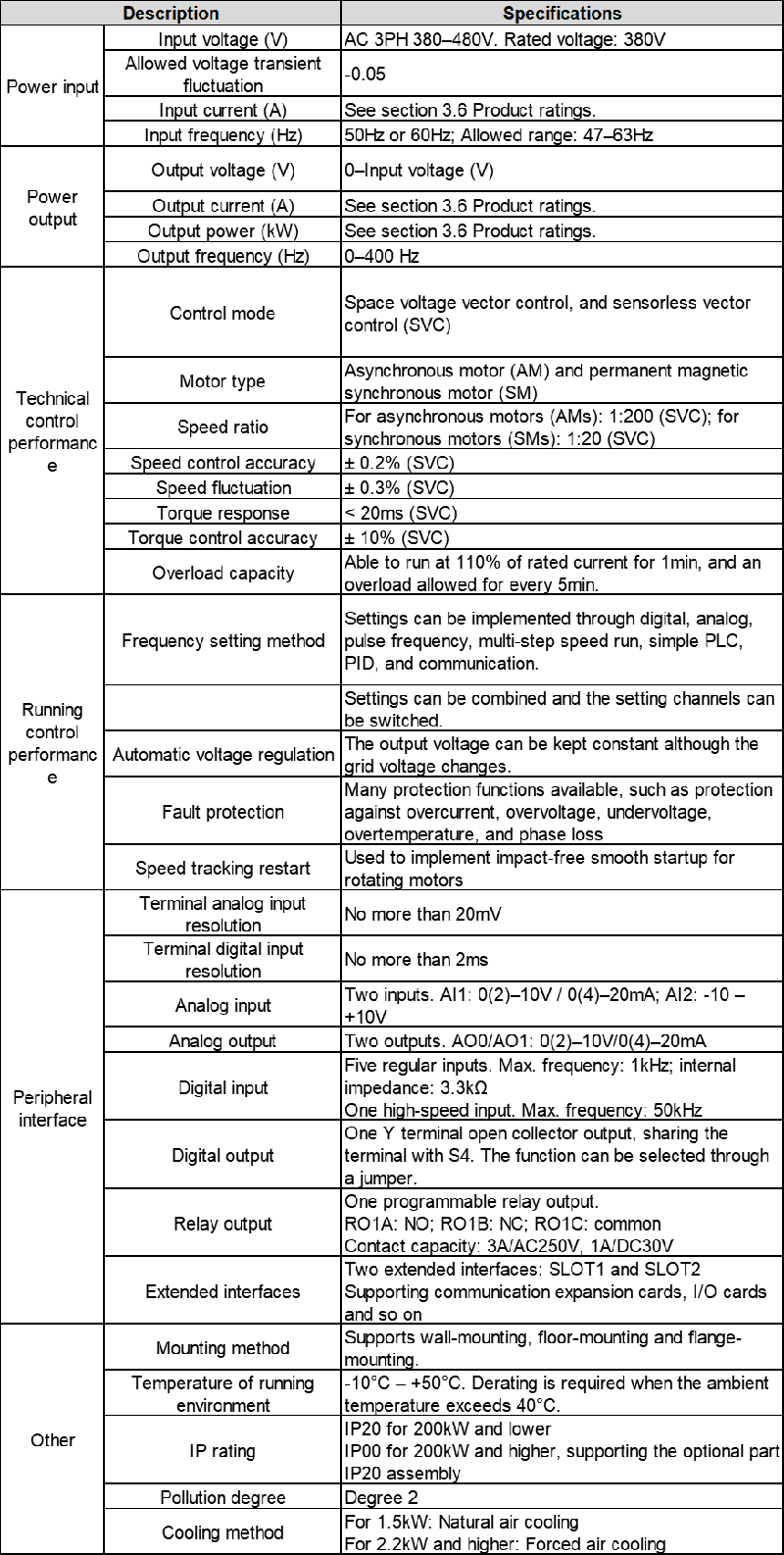
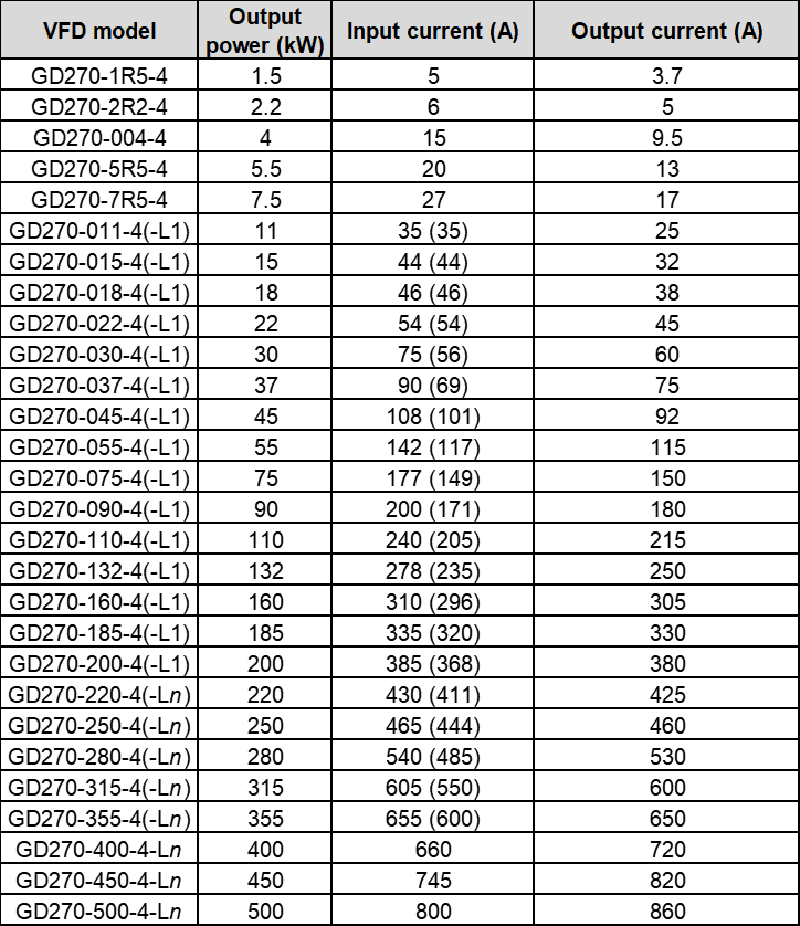
The fans used in the metallurgical industry usually have high power and operate in harsh environments. The INVT GD270 series frequency converter can provide a maximum output power of 1200kW, which can meet the driving needs of large metallurgical fans. The frequency converter adopts forced air cooling for heat dissipation, and the independent air duct design ensures good heat dissipation effect, even in high temperature environments, it can operate stably.
2. Regeneration avoidance function solves special problems of fans
In the parallel system of multiple fans in the metallurgical industry, it is common for one fan to be slightly regenerated due to the influence of other fans, which can easily lead to overvoltage alarms in the frequency converter. INVT GD270 is specifically designed with a regeneration avoidance function. When this situation is detected, the output frequency will automatically increase to prevent overvoltage alarms and ensure the stable operation of the machine.
3. Speed tracking function enables quick restart
In the metallurgical production process, once the fan is shut down, it may cause serious production accidents and economic losses. The speed tracking function of INVT GD270 can automatically detect the rotation speed and direction of the fan, and smoothly start from the current speed, avoiding the huge current shock and mechanical stress caused by direct start, greatly improving the efficiency and reliability of restart.
4. Powerful communication capabilities enable centralized monitoring
INVT GD270 supports multiple industrial fieldbus communication protocols, including Profibus DP, Profinet, CANopen, Ethernet/IP, and Modbus TCP. Through these communication interfaces, the frequency converter can be easily connected to the automation control system of metallurgical enterprises, enabling remote monitoring, parameter setting, and fault diagnosis. This greatly improves the automation level of the system and reduces the workload of on-site operators.