
1. Wide power range covering various application requirements
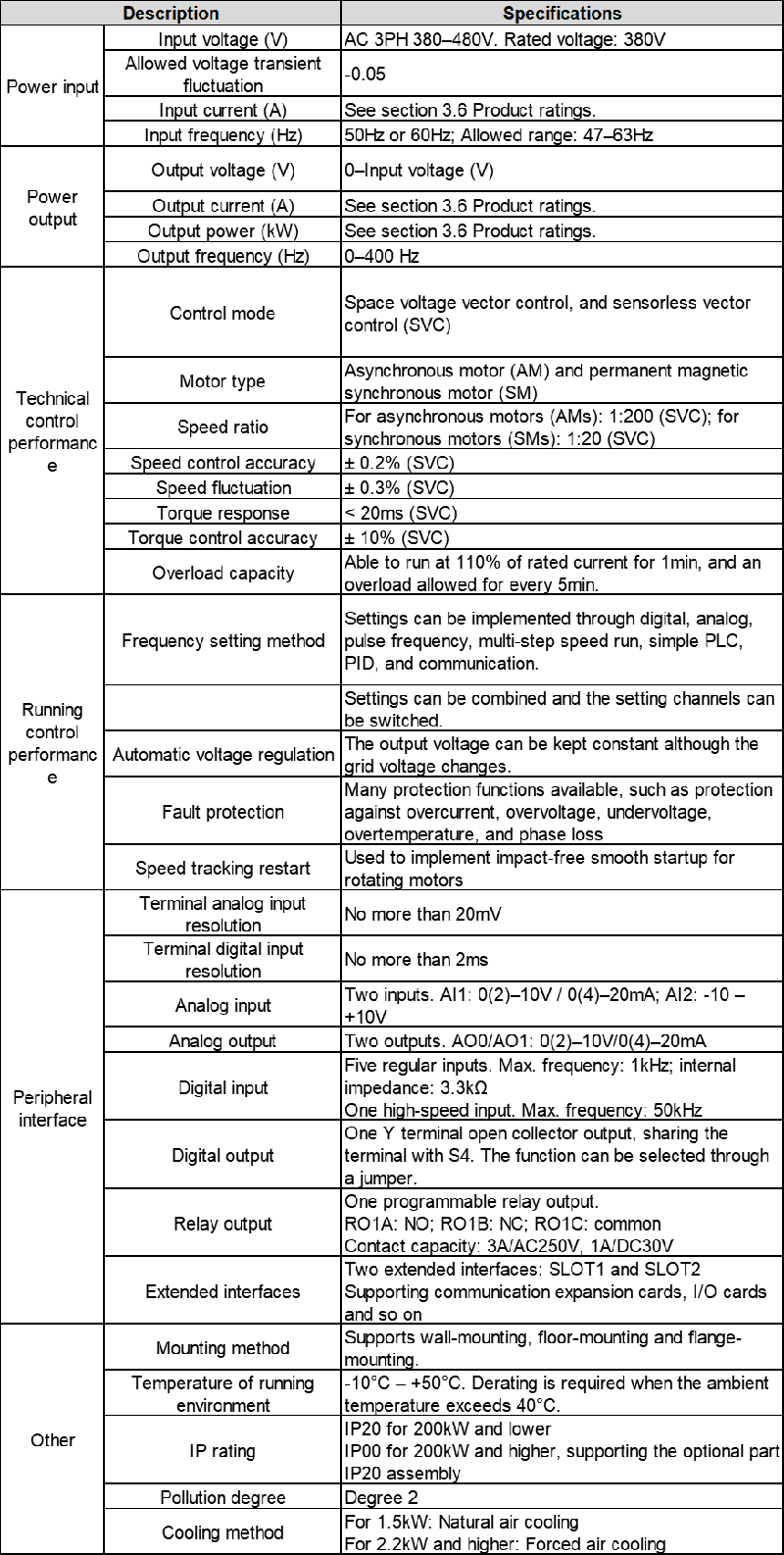
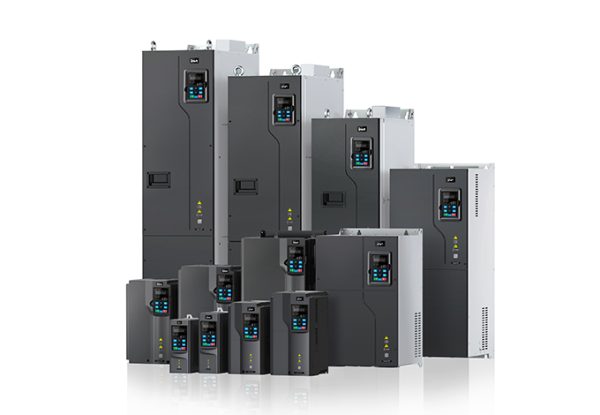
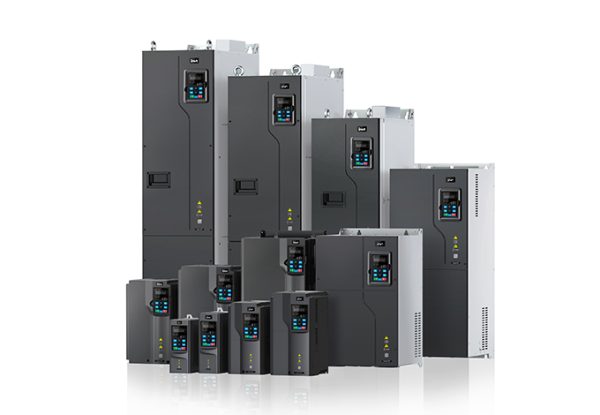
The power range of INVT GD270 series frequency converter covers 1.5kW to 1200kW, with a voltage level of AC 3PH 380V~480V, which can meet the driving needs of various industrial water pumps. Whether it is a small conveying pump or a large industrial circulating water pump, suitable models can be found. The frequency converter supports two control methods: space voltage vector control and PG free vector control, with a speed ratio of up to 1:200 and a speed control accuracy of ± 0.2%.
2. Built in DC reactor enhances grid compatibility
The INVT GD270 can be equipped with built-in DC reactors for models ranging from 11kW to 355kW, DC reactors as standard for models ranging from 400kW to 630kW, input reactors as standard for models ranging from 710 to 800kW, and DC and output reactors as standard for models ranging from 900 to 1200kW. The built-in reactor can effectively suppress harmonic currents, improve power factor, reduce pollution to the power grid, and also protect the frequency converter from the impact of power grid surges.
3. Multiple filter options meet EMC requirements
INVT GD270 offers multiple filter configuration options, with 1.5-22kW models available with built-in C2 filters, 30-132kW models available with built-in C3 filters, and 160kW and above models equipped with built-in C3 filters as standard. These filters can effectively reduce the electromagnetic interference of the frequency converter, meet the EMC requirements of different application scenarios, and ensure the normal operation of other sensitive equipment in the system.
4. Convenient installation and maintenance
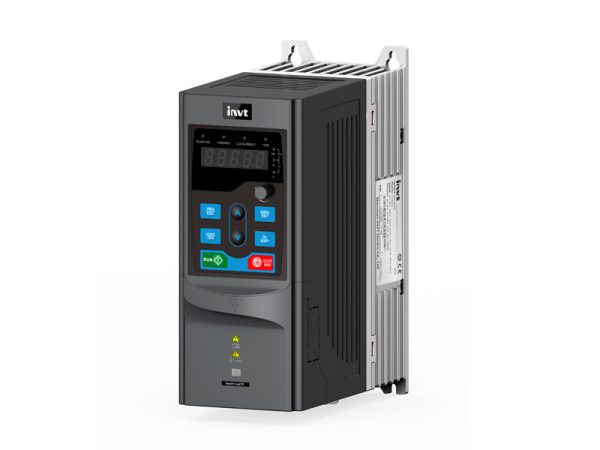
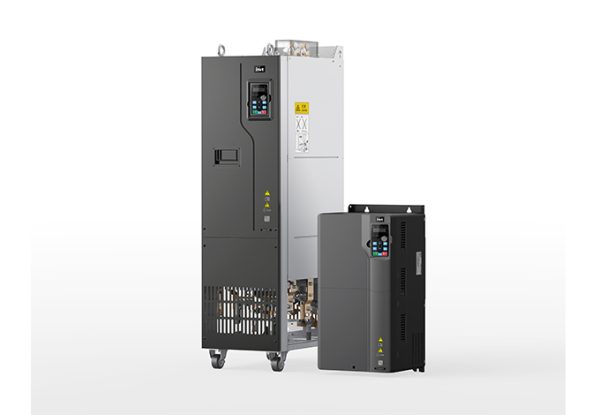
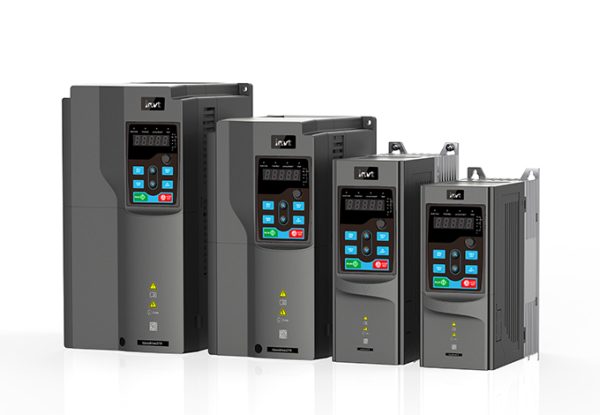
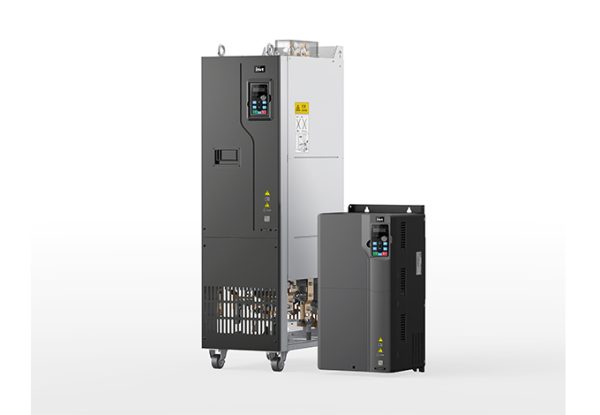
INVT GD270 adopts a book shaped compact design, saving installation space. 1.5-250kW models support wall mounted installation, 1.5-200kW models support flange installation, and 220-1200kW models support floor mounted installation. The keyboard of the frequency converter is detachable and can be externally connected, making it convenient to operate on the cabinet door. Modular design makes maintenance simpler and faster, greatly reducing downtime due to malfunctions.