
INVT GD20-09-1R5G-4-B lifting dedicated frequency converter
Date: 2026年6月29日 Categories: News Views: 101
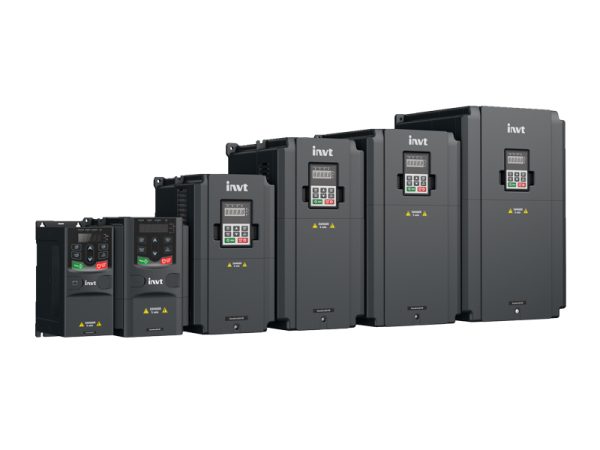
INVT GD20-09 Crane Inverter: Core Technology Analysis for Stable Operation
Specialized Vector Control Technology
GD20-09, also known as Goodrive20-09 crane specific frequency converter, is equipped with INVT's self-developed crane specific vector control algorithm. This algorithm can achieve millisecond level response to motor torque. In the scenario of sudden loading and rapid start stop of lifting equipment, it can quickly adjust the output state, maintain stable speed, avoid motor stall, and ensure the safety and smoothness of lifting operations.
Full link hardware protection system
The Goodrive20-09 crane specific frequency converter has established a comprehensive hardware protection architecture, covering multiple protection dimensions such as overcurrent, overvoltage, overload, overheating, and phase loss. When the device experiences abnormal operation, it can quickly trigger protection mechanisms and output fault warnings to avoid damage to core components, while reducing the safety risks of lifting operations and adapting to the complex electrical environment of industrial sites.
Adaptability to Wide Operating Environment
The INVT GD20-09 series has been optimized for harsh environments in lifting scenarios. The product has strong dust prevention and anti-interference capabilities, and can operate stably over a wide temperature range. Whether in high-temperature metallurgical workshops, dusty building materials factories, or outdoor port operation scenarios, the products can maintain stable driving performance and adapt to diverse industrial conditions.
Reliable brake control technology
The GD20-09 crane specific frequency converter supports multiple combinations of braking methods and can be used in conjunction with mechanical braking of lifting equipment to achieve precise parking control. During the descent of heavy objects, it is possible to smoothly control the descent speed, avoid the risk of rolling, and reduce the heating loss of braking resistors through reasonable control of braking energy, thereby improving the overall reliability and safety of equipment operation.