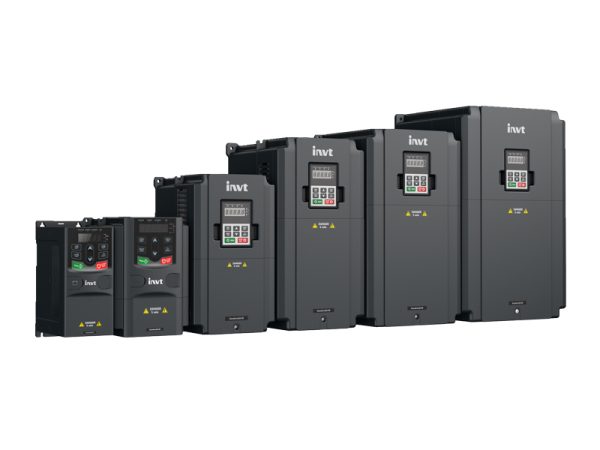

INVT GD20-09 Crane Special Inverter: Daily Maintenance and Life Extension Guide
Core points of daily inspection
GD20-09 is a Goodrive20-09 series crane specific frequency converter under INVT, and daily inspections should focus on the operating status. Regularly check whether the cooling fan is running normally, whether the wiring terminals are loose, and whether the body is dusty. At the same time, monitor whether the operating current, temperature, and other parameters are within the normal range, timely detect early abnormalities, and avoid the expansion of faults that affect lifting operations.
Regular cleaning and heat dissipation maintenance
Goodrive20-09 operates in an industrial dust environment for a long time and needs to regularly clean the accumulated dust inside to ensure smooth ventilation of the heat dissipation ducts. A cleaning cycle can be established based on the on-site dust concentration, using dry compressed air to blow the heat sink and air duct to avoid dust accumulation and poor heat dissipation, which can lead to overheating faults. Regularly check the status of the cooling fan and capacitor, and replace aging components in a timely manner.
Reliability maintenance of electrical connections
When maintaining the GD20-09 crane specific frequency converter, it is necessary to regularly tighten the wiring terminals of the power circuit and control circuit. Continuous vibration during the operation of lifting equipment can easily cause loose terminals, leading to poor contact, sparking, and other issues. INVT suggests synchronously checking the inverter wiring during equipment overhaul to confirm insulation performance and ensure long-term reliability of electrical connections.
Parameter backup and firmware optimization
The daily maintenance of INVT Goodrive20-09 should include parameter backup work, regularly exporting device parameter configurations to avoid parameter loss and rework during debugging. At the same time, you can pay attention to official firmware updates, optimize control parameters based on on-site operating conditions, adapt to performance changes after equipment aging, extend the overall service life of the frequency converter, and ensure long-term stable operation of lifting equipment.